How the Youth Impact Foundation is bringing organisations together while retaining the brands, programs and relationships that make them valuable.
Key Takeaways
- The Youth Impact Foundation has integrated 10 youth-focused organisations into a single structure, retaining their individual brands and programs.
- Shared governance, management and workforce resources reduce duplication, improve efficiency and strengthen financial sustainability.
- The model offers founders a succession pathway, allowing them to step away from administration or leadership while preserving their legacy.
- Success depends on a collective culture where the shared mission takes precedence over individual organisational interests.
Australia's charity sector has no shortage of good organisations. Yet many are maintaining separate boards, management teams, systems and infrastructure while working towards similar goals, sometimes with the same communities.
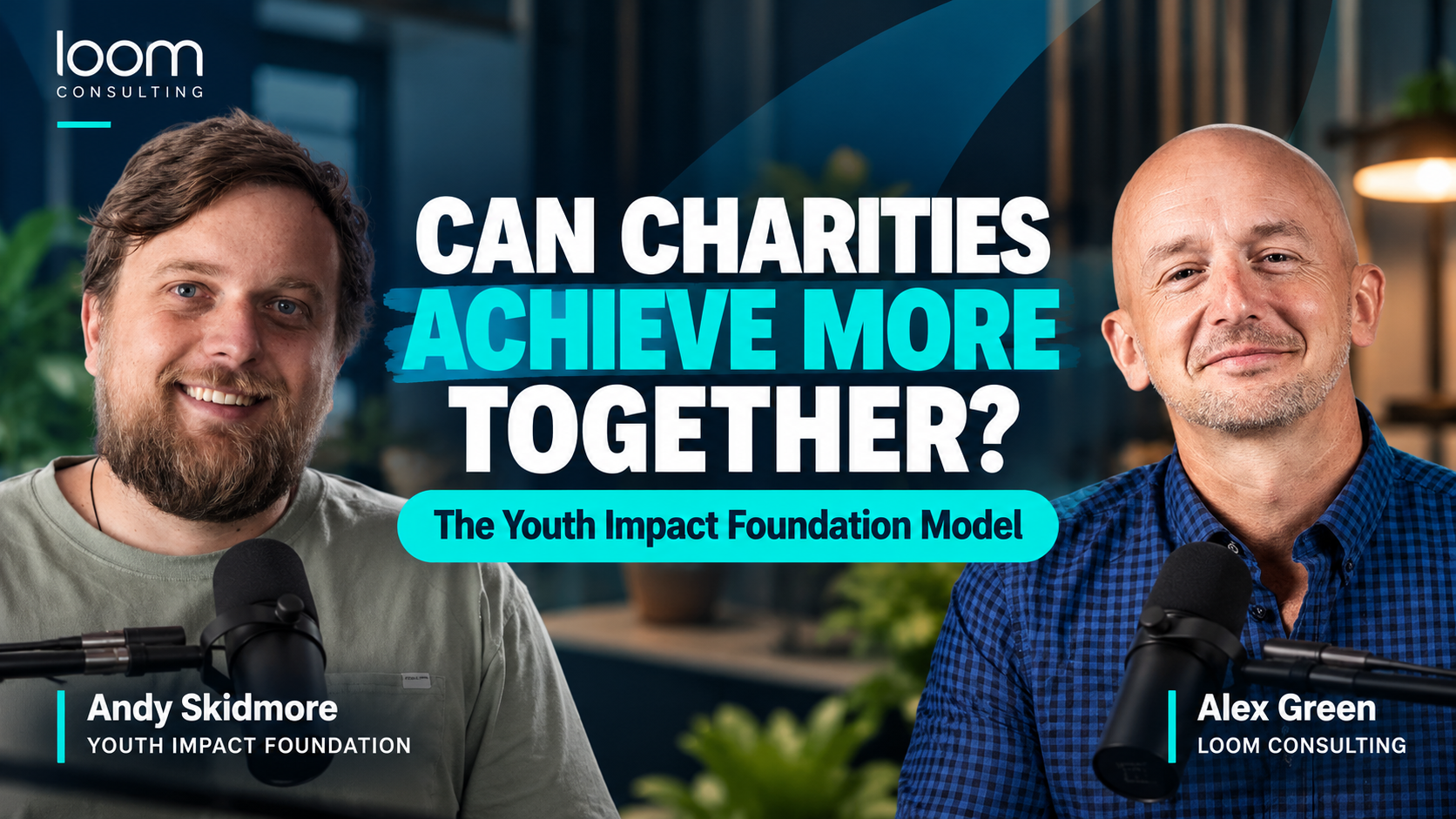
Andy Skidmore, CEO of the Youth Impact Foundation, saw this challenge firsthand through his experience establishing and growing youth leadership organisation Burn Bright.
He recognised that many organisations were delivering excellent programs but struggling with financial sustainability, governance, workforce capacity and founder succession.
His response was an ambitious experiment in bringing organisations together. Over four years, the Youth Impact Foundation has integrated 10 organisations working in youth mental health, wellbeing and leadership.
The model offers some interesting lessons for the wider charity sector.
One Organisation, Multiple Brands
The Foundation operates through a single legal structure, with one board and executive team overseeing governance, strategy, finance and corporate services.
Organisations joining the Foundation generally relinquish their separate corporate structures, but retain their brands, intellectual property and programs. Brand managers or CEOs continue to lead their respective activities, supported by shared organisational infrastructure.
This addresses one of the most common concerns in charity mergers: the potential loss of identity and legacy.
A charity's brand may carry decades of trust, community relationships and goodwill. These are valuable assets worth protecting. Yet maintaining an independent legal entity is rarely essential to preserving them.
The Foundation's approach demonstrates how organisations can consolidate governance and management while preserving the elements that give their programs value.
Sharing More Than Administration
The benefits extend into service delivery.
Andy estimates that around 80% of the facilitation skills required across the Foundation's youth programs are transferable.
A facilitator can therefore work across several brands in a week, creating more consistent employment, better career opportunities and improved utilisation of specialist skills.
In a sector where smaller organisations often struggle to offer full-time employment or sustain specialist roles this can count for a lot.
Of course, combining organisations also introduces new challenges. Brands may still compete for the same schools, resources and opportunities.
Andy promotes a culture of "one team, one dream", encouraging staff to share opportunities and refer clients to whichever program is best suited to their needs.
"The benefits of merger depend as much on culture and behaviour as they do on structure."
That requires leadership to shift people's loyalties from their individual brand towards the collective mission. It's an important reminder that the benefits of merger depend as much on culture and behaviour as they do on structure.
A Different Answer to Founder Succession
Around half of the organisations integrated into the Foundation have been founder-led.
For some founders, joining provides an orderly exit. For others, it means continuing to lead the programs they created while relinquishing responsibility for finance, HR, compliance and governance.
This is particularly valuable for smaller charities where the founder remains central to the organisation's identity, relationships and operations.
Succession is often delayed because founders fear losing their life's work, while boards worry about how to maintain momentum after their departure.
The Foundation offers another possibility: preserving the program and its legacy within a stronger organisational structure.
Andy's advice is to explore these options early, while organisations and their leaders still have choices.
What Can Other Charities Learn?
The Youth Impact Foundation's approach could have applications well beyond youth mental health.
Many charities have valuable programs, trusted brands and skilled people, but lack the scale to sustain the infrastructure required to support them.
Bringing these assets together can create opportunities for greater reach, improved capability and financial sustainability.
The model also requires careful due diligence, cultural alignment and a willingness to relinquish organisational control. As the Foundation continues to grow, its experience will provide further lessons about the challenges and benefits of this approach.
For charity boards, perhaps the most useful question is which elements of their organisation genuinely create value for the people they serve, and which exist primarily to sustain an independent organisation.
The Youth Impact Foundation demonstrates how much of that value can be preserved, and potentially strengthened, when organisations are prepared to share more than resources.
References & Further Watching
- Video:{" "} Watch the full conversation with Andy Skidmore